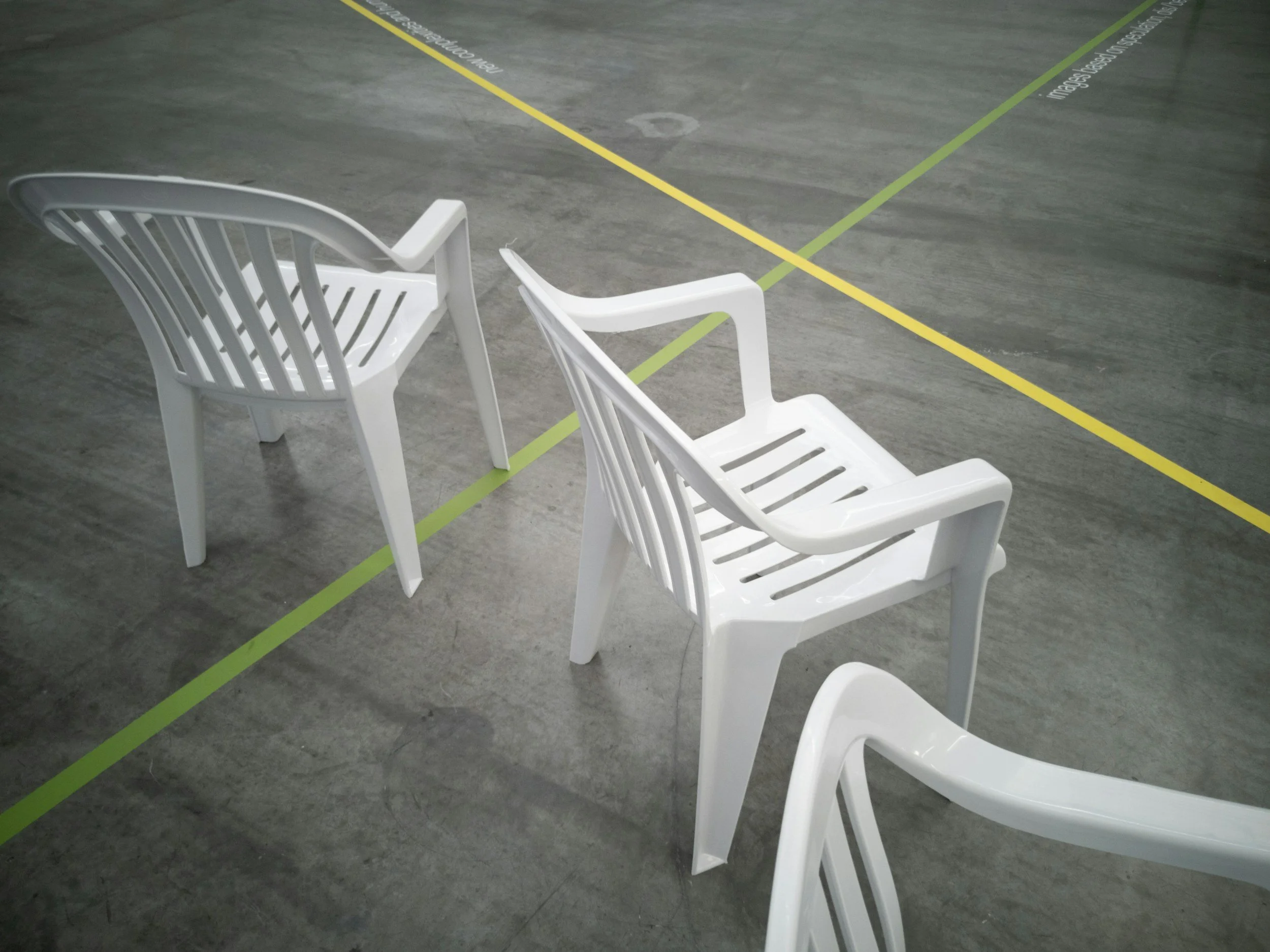
Why You’re smart Alone but Slow as a Team
Smart, capable teams sometimes feel slower together than they do alone — especially in cross-functional meetings where priorities collide.
This post explains why intelligent people stall in groups — and what changes once a team creates an explicit, shared way of working.
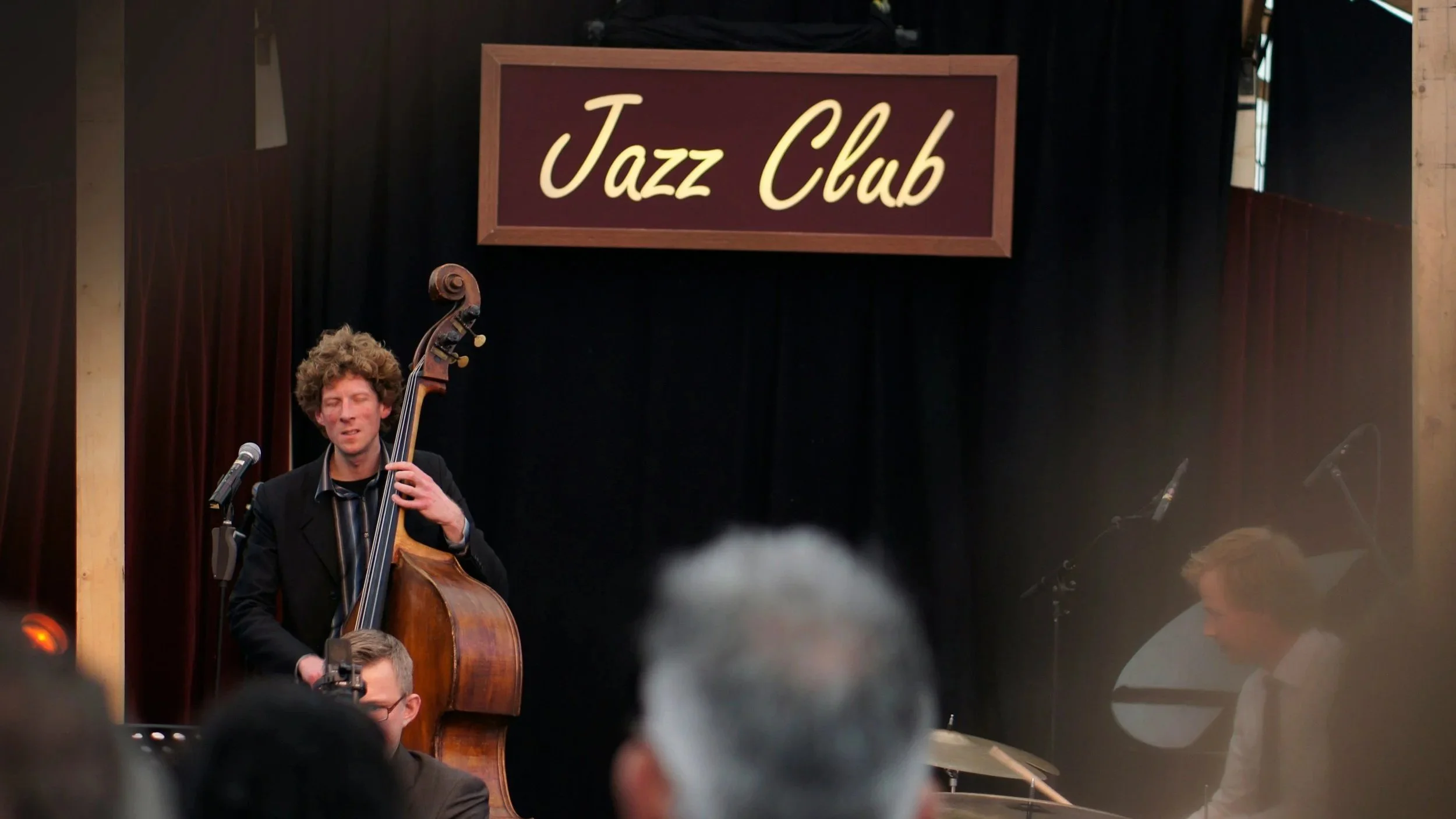
Why an agenda is not a guarantee
An agenda creates structure, but it doesn’t guarantee outcomes, alignment, or how a meeting actually feels.
This post explores why live human dynamics—not plans alone—determine whether meetings move forward, stall out, or quietly drain energy despite good intentions.
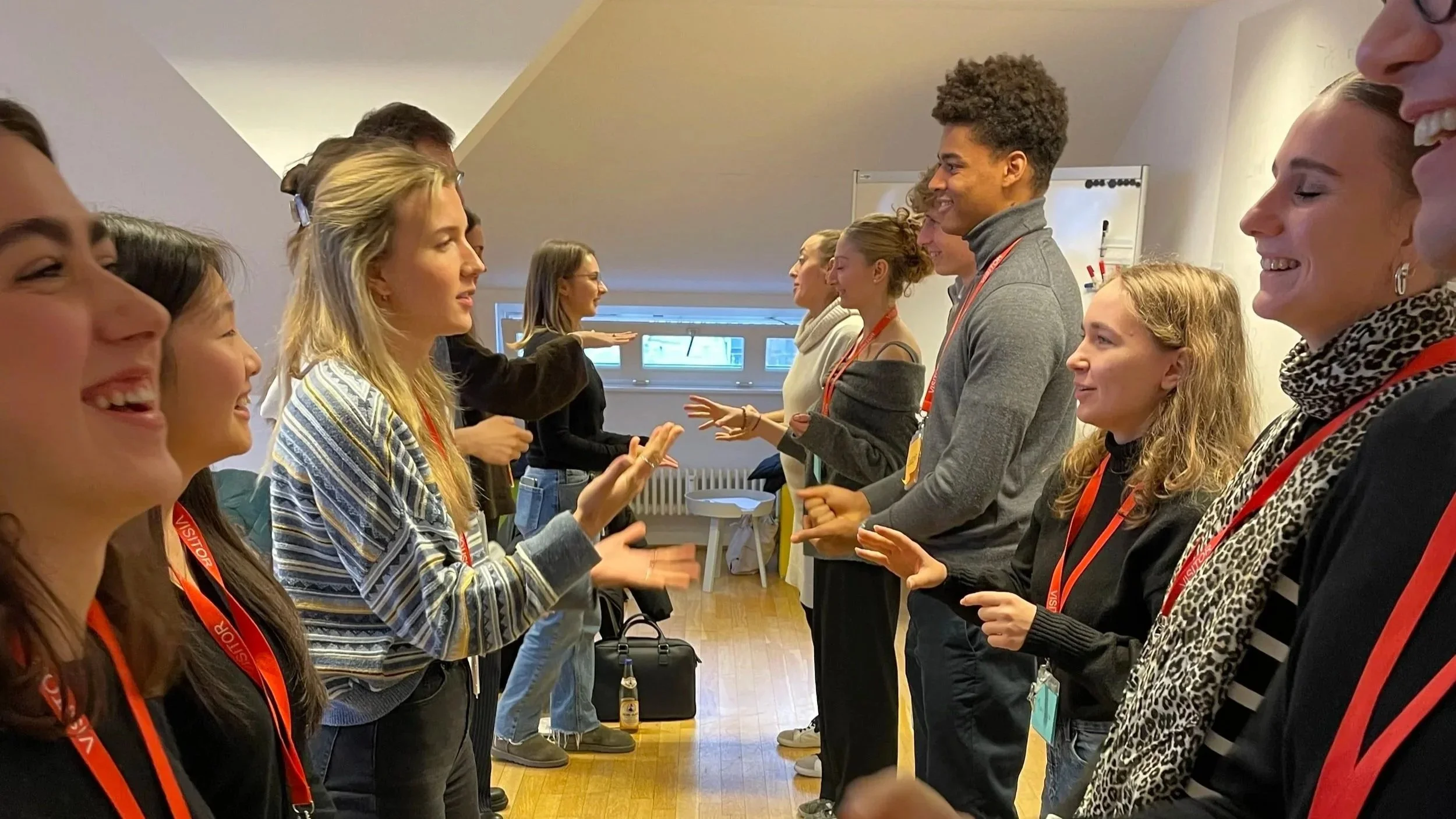
Facilitation is more than workshops
Renaming a meeting a workshop doesn’t change how it runs.
This post clarifies the difference between workshops and facilitation, showing why outcomes depend less on formats or activities and more on how human dynamics are intentionally guided before, during, and after any group conversation.

10 reasons why facilitation is powerful
Facilitation isn’t about formats or theory — it’s about shaping human dynamics so groups can think clearly, decide faster, and move together.
This post breaks down ten reasons facilitation works in practice, and why it creates clarity, momentum, and trust where effort alone falls short.
Sign up for the H&CO note
If meetings are a big part of your work, the way they feel matters more than we often admit.
Every 2 weeks, I share one of my insights on facilitation, leadership, and human dynamics.
It’s a quiet space to think differently about how people come together and how work actually moves in a team.