
Change the Space, Change the Dynamic
You can know exactly what's happening in a team and still find yourself repeating the same pattern because the environment makes doing something differently difficult.
This post explores how deliberately designed containers can change the conditions around a team to help shift challenging dynamics.

Your Team Isn’t Stuck — It’s Restarting Every Week
Meetings often create temporary spikes of attention without creating sustained momentum.
This blog post explores weak continuity, fragmented work, and why teams keep restarting the same conversations every week.
Why Are We Meeting, Really?
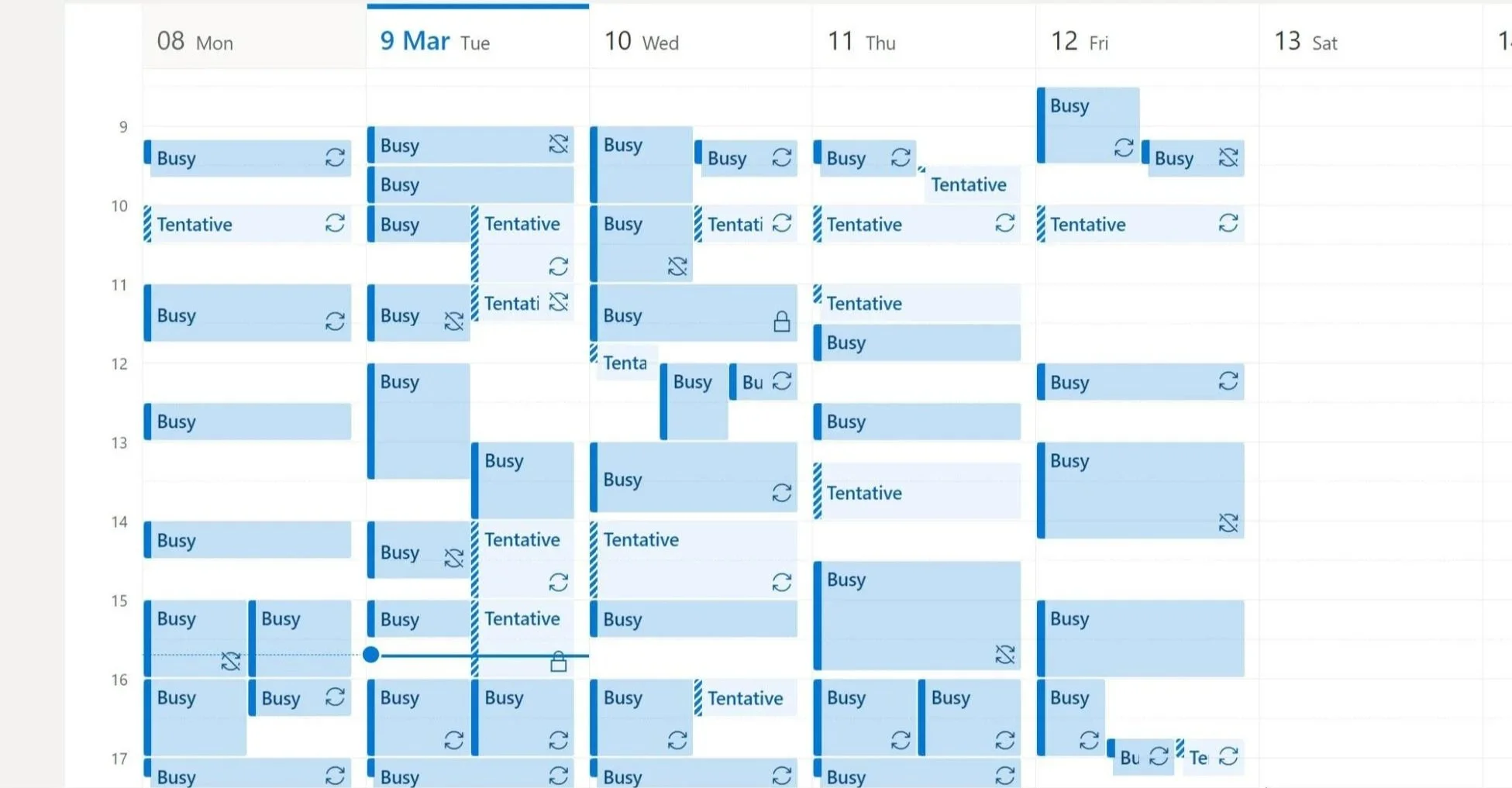
Most meetings look like progress — but often replace it.
This blog post explores why meetings multiply, why work stops moving, and how teams drift into patterns that keep them busy but not effective.

Why You Can’t Focus At Work (Even When You’re Trying)
Many people struggle to focus at work, even when they’re motivated and clear on what needs to get done. The day fills with meetings, messages, and constant interruptions, and attention becomes fragmented.
This blog post explores why this is not an individual attention problem — it’s a coordination problem.

What Your Most Hated Meetings Are Trying to Tell You
Most meetings don’t fail all at once — they drift.
What looks like inefficiency on the surface is often a signal that something in the group process isn’t being held.
This post breaks down the most common types of “bad meetings” and what they are actually pointing to.

AI Won’t Fix Your Meetings — It Might Expose Them
AI is rapidly changing how teams process information.
But most organizations still struggle with something more fundamental: human coordination in meetings.
This post explores why AI may expose collaboration problems rather than solve them.

The Emotional Climate of Meetings (And Why Logic Alone Fails)
Smart teams don’t stall because they lack logic. They stall because the emotional climate of the room isn’t supportive.
This post explores what psychological safety actually looks like in practice, and why it determines how well groups can think and move together.

Why an agenda is not a guarantee
An agenda creates structure, but it doesn’t guarantee outcomes, alignment, or how a meeting actually feels.
This post explores why live human dynamics—not plans alone—determine whether meetings move forward, stall out, or quietly drain energy despite good intentions.
Want these ideas delivered
straight to your inbox ?
Join the H&CO note
Where the conversation goes deeper.
Every two weeks, I share thoughtful reflections and tips to help you navigate the hidden human dynamics shaping your team, your organization, and the way people work together.
It's a quiet place to notice, readjust, and return to your work with greater clarity.